 by
by Choosing the right paint for your boy’s room is one of the most impactful decisions you can make when decorating. The colors you select set the tone for the entire space, influencing mood, creativity, and even sleep quality. Whether you’re designing a nursery for a newborn or updating a tween’s room, the perfect paint palette can create a sanctuary that grows with your child. In this guide, we’ll explore a wide range of boys room paint ideas—from classic blues and greens to modern neutrals and playful patterns. You’ll find inspiration for every age, interest, and budget, along with practical tips for choosing finishes and applying paint like a pro.
Why Paint Choices Matter for a Boy’s Room
The colors in a room have a profound psychological impact on children. Soft, cool tones like light blue and sage green promote calmness and concentration, making them ideal for study or sleep areas. On the other hand, vibrant shades like orange or yellow can stimulate energy and creativity—perfect for play zones. When selecting paint for a boy’s room, consider not only his age but also his activities. A room that doubles as a homework station might benefit from a soothing backdrop, while a space dedicated to imaginative play can handle bolder hues. Additionally, paint is one of the most cost-effective ways to personalize a room, allowing you to adapt as your child’s tastes evolve. By choosing the right colors, you can create a space that feels uniquely his, fostering a sense of ownership and pride.
Popular Color Schemes for Boys

While traditional blue remains a top choice for boys’ rooms, modern design has expanded the palette dramatically. Here are some trending color schemes:
Classic Navy and White: A timeless combination that feels crisp and sophisticated. Use navy on an accent wall and white on the remaining walls for a clean look.
Earthy Greens and Browns: Inspired by nature, these colors work well for adventure-themed rooms. Pair olive green with wood tones and tan bedding.
Soft Grays and Yellows: Gray provides a neutral base, while yellow adds a pop of sunshine. This scheme is perfect for a playful yet refined space.
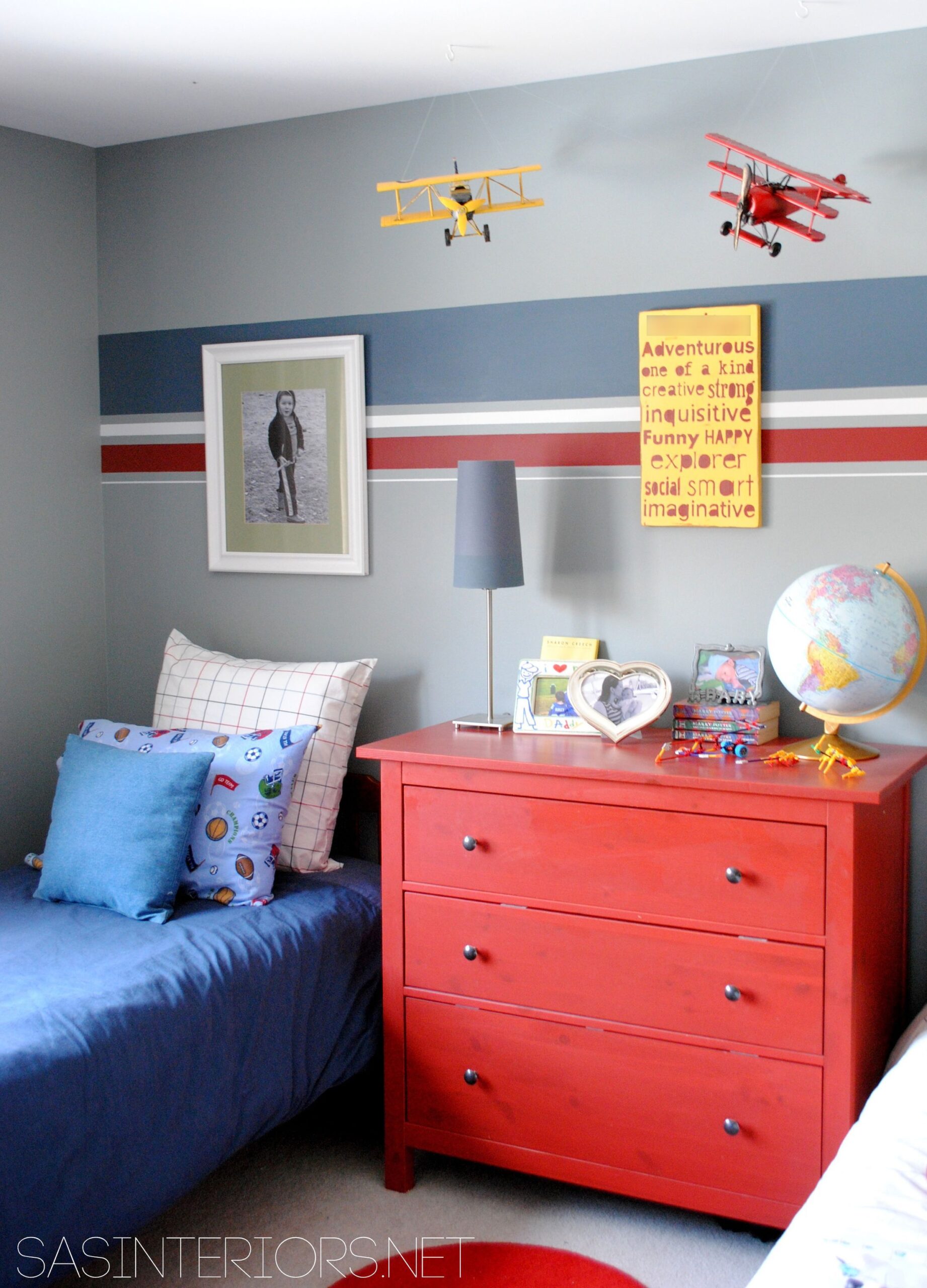
Bold Primary Colors: Red, blue, and yellow in balanced proportions create a retro, energetic vibe. Use sparingly to avoid overwhelming the room.
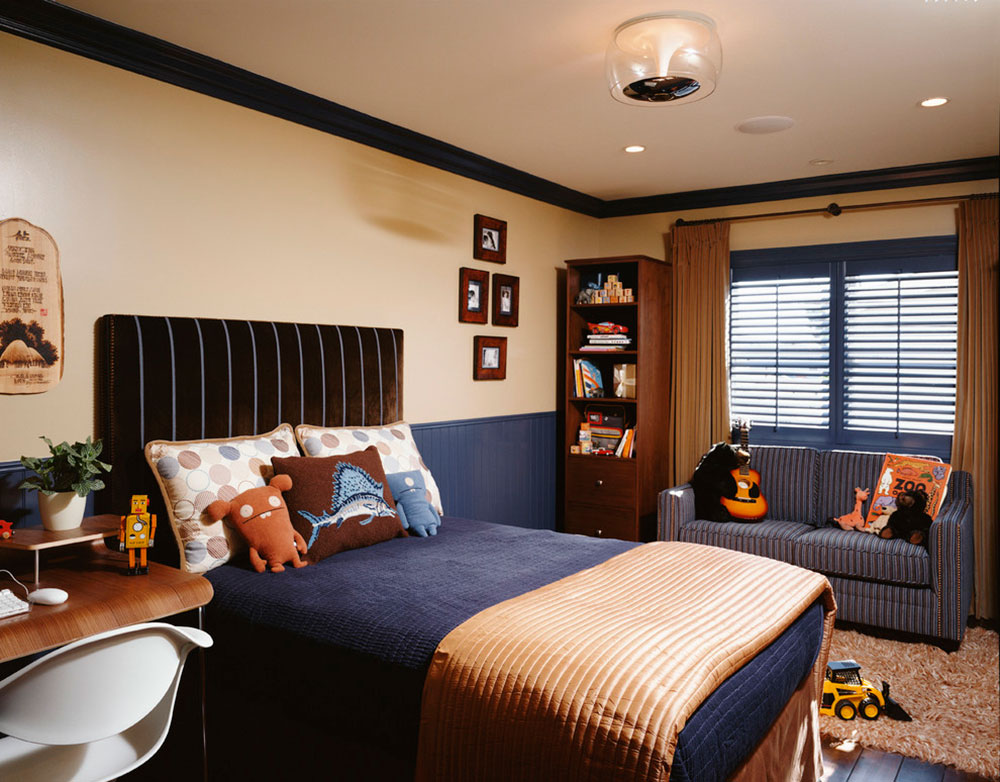
Monochrome Blues: Layer different shades of blue—from pale sky to deep slate—for a cohesive, calming effect. Add white trim for contrast.
Accent Walls and Patterns
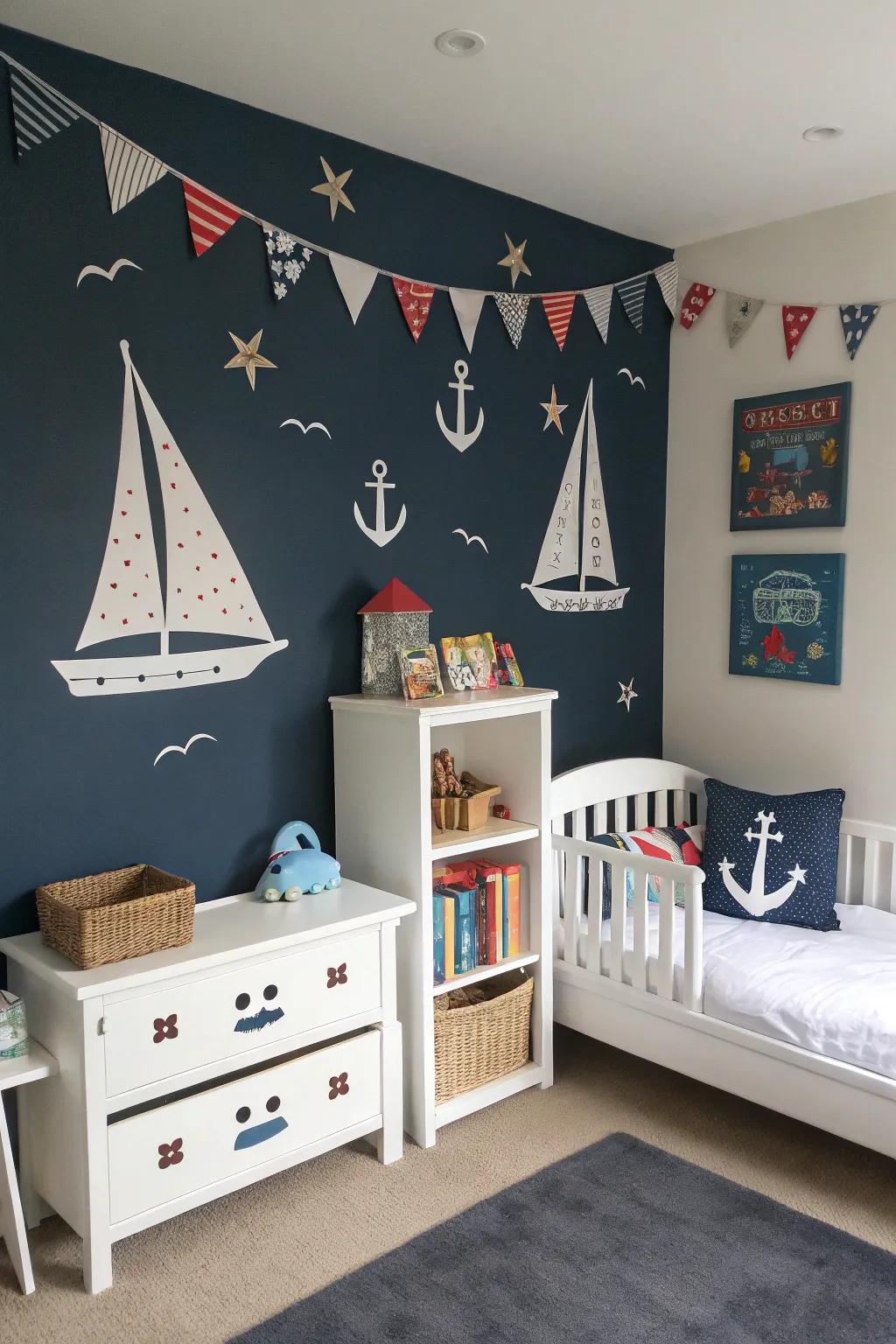
An accent wall is a powerful tool for adding visual interest without committing to a full room of bold color. For boys, consider geometric patterns, stripes, or even a mural. A striped accent wall in two tones of blue can elongate the room and add a sporty feel. You can also create a faux headboard with paint, framing the bed with a rectangular block of color. Another trend is using chalkboard paint on one wall, turning it into a canvas for creativity. For older boys, a dark accent wall in charcoal or navy can create a cozy, den-like atmosphere. When choosing an accent wall, pick the wall that naturally draws the eye—often the one behind the bed or the longest wall in the room.
Age-Appropriate Paint Ideas
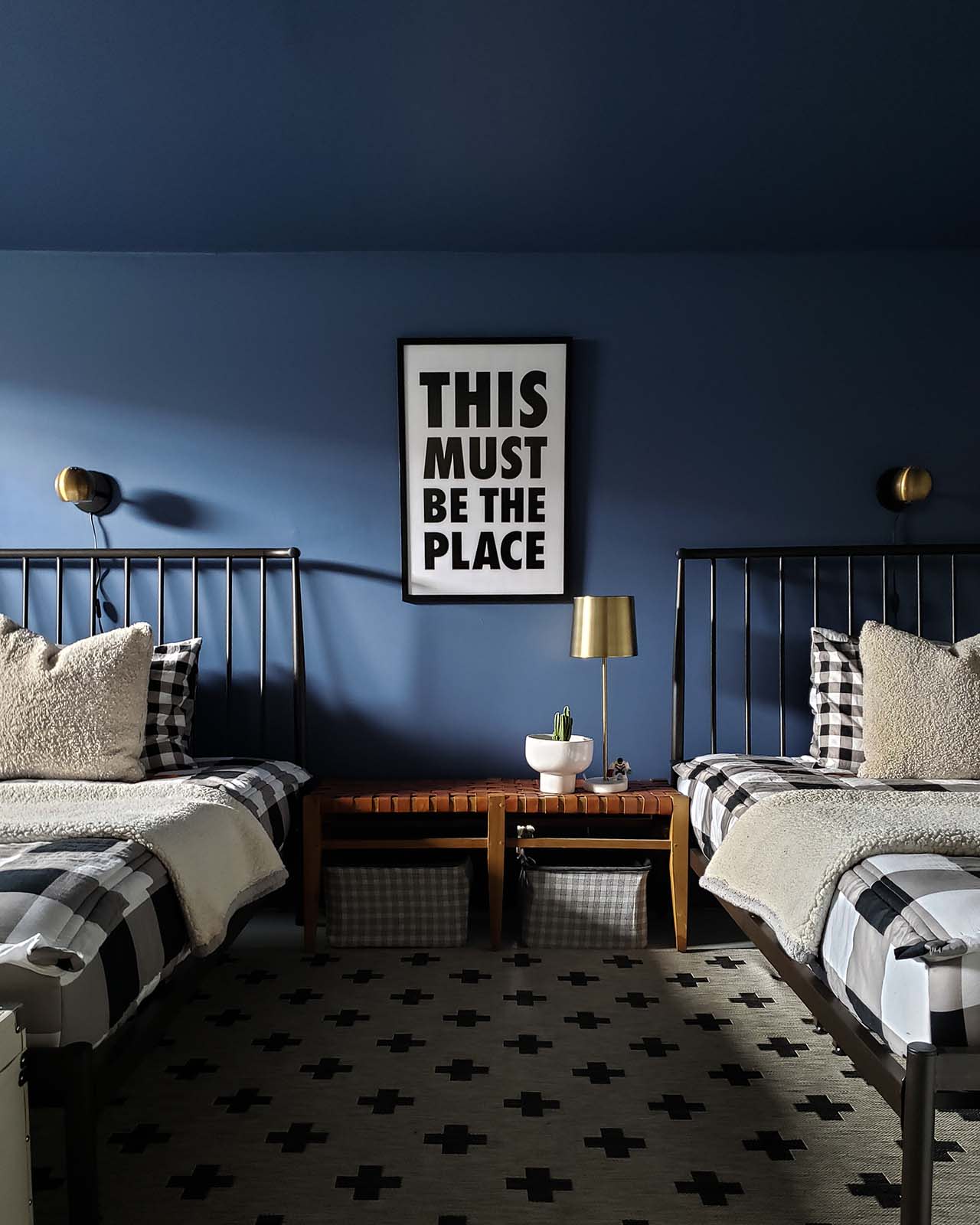
As your son grows, his room should adapt. For babies and toddlers, soft pastels like mint green, butter yellow, or light lavender are soothing and gender-neutral. You can then transition to bolder colors around age 5-7, incorporating his favorite characters or hobbies—think superhero reds or dinosaur greens. For tweens (8-12), consider more sophisticated palettes like teal and orange or gray and mustard. This age group often appreciates having a say in the design; let them choose a primary color and then guide the shade. Teenagers may prefer darker, moodier tones like midnight blue or charcoal, often combined with metallic accents. The key is to choose paints that are easy to repaint or update as interests change.
Combining Paint with Themes and Decor
Paint sets the stage for the room’s theme. For a sports-themed room, paint the walls in a neutral tone and add a bold accent wall in the team’s color. For a space or astronaut theme, consider a dark blue ceiling with glow-in-the-dark stars. A jungle adventure room can feature green walls with a mural of trees and animals. When combining paint with decor, remember that paint is the foundation; choose colors that complement the bedding, rugs, and accessories. For a cohesive look, use paint to tie together seemingly disparate elements. For example, a pale blue wall can unify a room with red and navy accents. Also, consider the ceiling—painting it a lighter shade of the wall color can make the room feel larger.
Tips for Choosing the Right Paint Finish
Paint finish matters just as much as color, especially in a child’s room. Here’s a quick guide:
Flat/Matte: Hides imperfections but is difficult to clean. Best for ceilings or low-traffic areas.
Eggshell: Slight sheen, easy to wipe clean. Great for walls in older children’s rooms.
Satin: More durable than eggshell, with a soft glow. Ideal for high-traffic areas like hallways or playrooms.
Semi-Gloss: Very durable and washable, perfect for trim, doors, and cabinets. Also good for accent walls that get dirty.
Gloss: High shine, extremely durable. Use sparingly for furniture or feature elements.
For a boy’s room, a combination of satin for walls (easy cleaning) and semi-gloss for trim works well. If your child is prone to drawing on walls, consider a washable paint option—many brands now offer zero-VOC, washable formulas in a range of colors.
FAQ
What is the best color for a boy’s room that will grow with him?
Neutral tones like soft gray, beige, or light blue are versatile and can be easily updated with accessories. These colors work for any age and are easy to repaint over.
Should I use blue for a boy’s room?
Blue is a classic choice, but it’s not the only option. Don’t be afraid to explore greens, purples, or even warm earth tones. The best color is one your son loves and that fits the room’s purpose.
How can I make a small boy’s room feel bigger with paint?
Light, cool colors like pale blue, soft green, or white can make a room feel more spacious. Painting the ceiling a lighter shade than the walls also helps. Avoid dark colors on all four walls.
What kind of paint is best for a child’s room?
Choose zero-VOC or low-VOC paints to ensure good indoor air quality. Look for washable, durable finishes like satin or eggshell that can withstand cleaning.
Can I use wallpaper instead of paint?
Yes, but wallpaper can be more difficult to change. Paint is more flexible for updating as your child grows. If you want pattern, consider paint techniques like stenciling or stripes.
Choosing the right paint for your boy’s room is an exciting process that allows you to infuse personality and functionality into his personal space. Whether you opt for a calming blue, an energetic yellow, or a sophisticated gray, remember that the best color is one that makes him feel comfortable and happy. Don’t be afraid to experiment with accent walls, patterns, or even a mural. And always prioritize quality paint that is safe, durable, and easy to clean. With these boys room paint ideas, you’re well on your way to creating a room he’ll love for years to come.